
The Metropolitan Opera opened its season on September 22 with Verdi's Macbeth, and it proved to be an evening of remarkable musical and dramatic achievement. From the opening moments, this new production immersed the audience in a world darkened by ambition, guilt, and the destructive pursuit of power.
Director Mary Zimmerman and designer Jon Bausor present a Scotland burdened by the failures of its rulers. The production opens in Macbeth and Lady Macbeth's bedroom. The imposing four-poster bed and the grey, weighty aesthetic create an atmosphere of foreboding from the outset. Bausor's set design effectively depicts a society collapsing under the consequences of its leaders' choices, while the costumes evolve from regal splendour to visible deterioration, reflecting the moral and psychological decline of the characters.
The evening's greatest strength was undoubtedly the vocal excellence. At the centre of the production stood Quinn Kelsey, who delivered a magnificent performance as Macbeth. Rather than portraying him as a straightforward villain, Kelsey created a complex and deeply human character. From the beginning, there was vulnerability beneath Macbeth's ambition, giving genuine dramatic shape to his descent into tyranny and madness.
Vocally, Kelsey was exceptional. His warm, commanding Verdi baritone carried enormous emotional weight throughout the evening. As Macbeth's crimes multiplied, Kelsey's performance grew increasingly desperate and fractured. The banquet scene became a masterclass in public disintegration, while "Fuggi, regal fantasima" burst forth with fear and panic. Most moving of all was "Pietà, rispetto, amore," sung with extraordinary sensitivity and sorrow. Kelsey made Macbeth a tragic figure: a man destroyed not only by his actions but by an insatiable thirst for power. The audience could not help but feel both horror and pity for him.
Lise Davidsen's Lady Macbeth offered an intriguing and often compelling interpretation. The sheer beauty and power of her voice were superb. Her upper register, especially her pianissimi, was unusually warm and rich, as was her middle voice. Her vocal control was on full display throughout the evening.
Davidsen's Lady Macbeth was more controlled and restrained than many traditional interpretations. While some audiences may prefer a more overtly volatile or menacing portrayal, her approach brought a different dimension to the character. Instead of presenting Lady Macbeth as a larger-than-life villainess, Davidsen emphasises her humanity and her bond with her husband. This interpretation makes their relationship feel unusually genuine. If there is a criticism, it is only that a greater sense of psychological instability earlier in the opera might have made Lady Macbeth's eventual breakdown even more striking. I would have enjoyed a more dramatic face and dark features, like Maria Callas. Nevertheless, Davidsen's vocal artistry is so extraordinary that her performance remains deeply engaging and ultimately very effective. She used her voice to project the drama and emotions, which was incredibly effective as her vocal control was absolutely superb.
Her portrayal becomes especially compelling during the later acts. In "La luce langue," darker colours emerge, and in the famous sleepwalking scene, her restraint proves to be a significant advantage. Rather than relying on overt hysteria, she uses fragmented phrases, beautiful pianissimi, and vocal shading to create a woman consumed by guilt and regret. I was left wishing her imprint was a little more dramatic, like Maria Callas's renowned rendition at La Scala. I felt a performer like Callas would have exuded insanity, and her embodiment of the character would have shown guilt more obviously, with a stronger sense of mental collapse. Davidsen's voice is so superb that it made up for her more controlled and elegant delivery of Lady Macbeth's character.
Ryan Speedo Green brought an elegance to Banquo, while Freddie De Tommaso delivered a stirring Macduff. De Tommaso's Act IV lament for his murdered family was moving. His performance expanded from grief into a desperate need for vengeance. Both singers were strong, in both their voices and their characterisations. Ryan Speedo Green could perhaps have been a little more dramatic, but he still delivered an excellent performance.
The Metropolitan Opera Chorus was indispensable throughout the evening. As the witches, they were dark, sinister, and constantly unsettling. Their scenes possessed exactly the supernatural energy the opera requires. Later, in "Patria oppressa," the chorus gave voice to the people under Macbeth's rule, creating one of the production's most emotionally intense moments. Their performance reminded the audience that the Macbeths' desire for power and journey into instability impacted the entire society.
Yannick Nézet-Séguin conducted with tremendous theatrical energy and sophistication. His understanding of Verdi's score was evident throughout the evening. The orchestra could blaze with terrifying intensity when required and then withdraw into moments of delicate transparency beneath the singers. Brass and percussion sharpened the opera's violence, while the darker orchestral colours enhanced the work's supernatural atmosphere. Throughout the performance, Nézet-Séguin ensured that Verdi's music remained the driving force of the drama.
The production itself occasionally embraces spectacle, but its most successful moments occur when visual imagery and psychological insight intersect. The witches remain an almost constant presence, observing and influencing events, while the imagery often reflects Macbeth's increasingly fractured state of mind. The world around the Macbeths steadily deteriorates as their moral collapse accelerates. Sets, costumes, chorus, dancers, and actors combine to create a vivid portrait of a kingdom in ruins.
What makes this Macbeth so successful is its understanding that the opera is ultimately about the corrupting devastation a dark and strong desire for power and dominance can cause. Macbeth and Lady Macbeth are not portrayed as monsters from the beginning. Instead, they are recognisably human figures whose desire for power gradually destroys both themselves and the society around them. Their guilt, fear, and regret remain visible beneath their crimes, making their downfall all the more tragic.
Above all, this was a triumph of singing. The cast delivered vocal performances of exceptional quality from beginning to end, led by the magnificent Quinn Kelsey and the vocally stunning Lise Davidsen. Combined with powerful orchestral playing, a superb chorus, and dark, slowly unravelling, intelligent staging, the result was an evening that captured both the grandeur and the psychological complexity of Verdi's masterpiece version of Shakespeare's work.
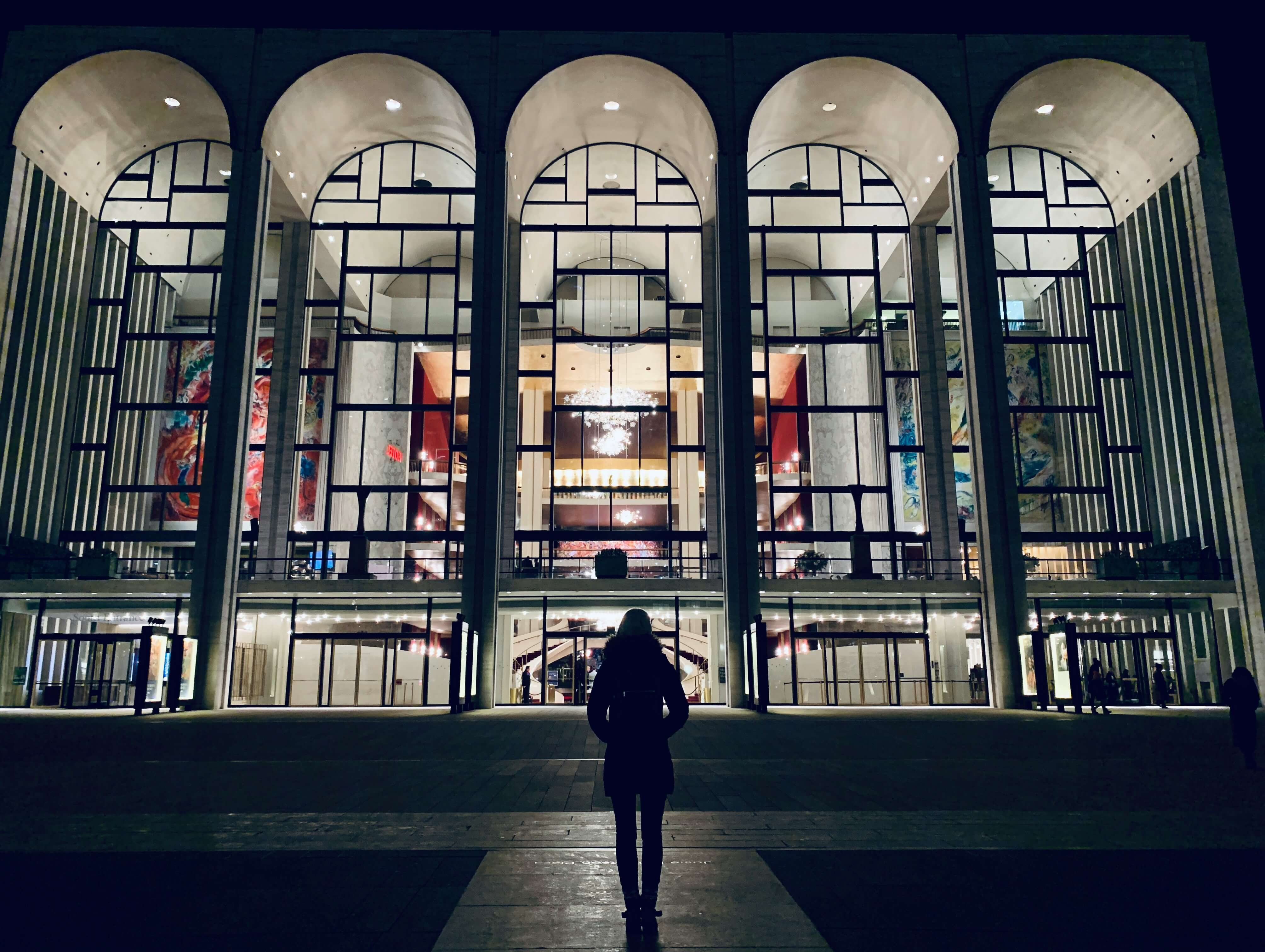
At the Metropolitan Opera, one always expects quality, but it is rare to encounter a performance where nearly every element comes together so successfully. On opening night, the house was completely full, the audience dressed for the occasion, and the atmosphere was electric. Macbeth proved a fitting season opener: dark, gripping, musically thrilling, and ultimately unforgettable.