
Its music, beauty trends, television dramas, and fashion have travelled far beyond South Korea, becoming a regular part of youth culture in the US, UK, and Europe. BTS, Stray Kids, NewJeans, IVE, and aespa are just a few of the groups whose music is regularly played in households with teenagers and preteens around the world. The popularity of the Oscar-winning film KPop Demon Hunters has brought further attention to the genre, while Korean beauty brands and skincare routines have found large and enthusiastic audiences on social media.
For parents, this presents an opportunity to connect with their children through a family trip. Travelling with teenagers can sometimes mean negotiating competing ideas of what makes a holiday worthwhile. Teenagers may disengage, complain, or spend much of their time on their screens during family holidays. Allowing their interests to shape part of the itinerary, however, is a thoughtful way to engage with them and show genuine interest in their lives.
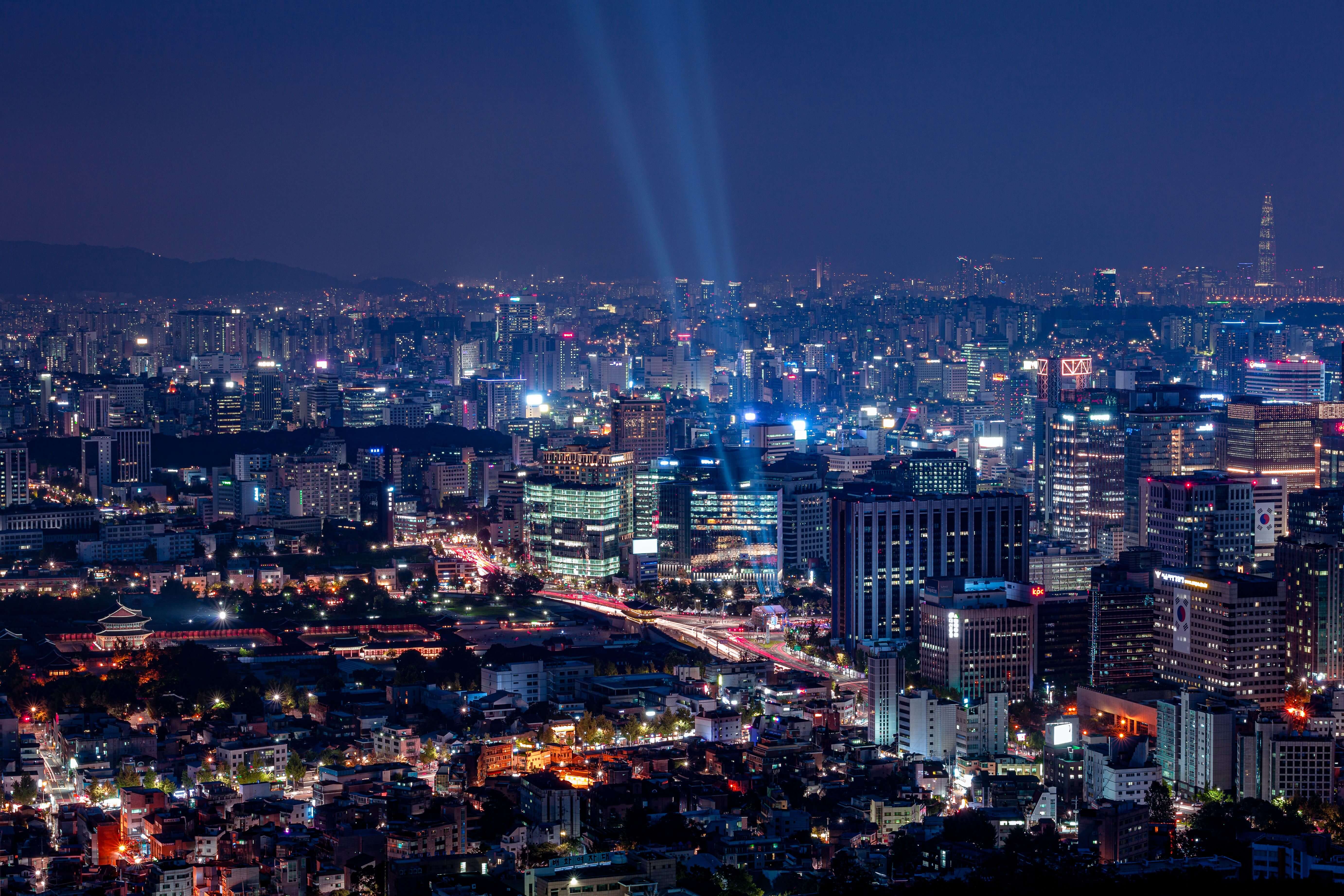
Seoul is a particularly rewarding destination for families. It offers considerably more than its influence on contemporary pop culture. Its royal palaces, art collections, food traditions, architecture, and history provide plenty to interest visitors of every generation.
K-Pop and Contemporary Culture
K-pop is a natural starting point for exploring Seoul through a teenager’s eyes. Hongdae, a lively university neighbourhood known for its youthful atmosphere, is particularly worth visiting. Its streets are filled with independent shops, K-pop merchandise, buskers, street performances, photo booths, and gaming cafés, known locally as PC bangs. The nearby Hongdae Mural Street adds another layer of interest. It is an energetic area best enjoyed at a leisurely pace, perhaps on the second or third day of a trip, once everyone has recovered from the long journey (the flight takes approximately 15 hours from New York and 12 from London).
For families interested in exploring the industry itself, KWANGYA @ SEOUL in Seongsu-dong is another worthwhile stop. Created by SM Entertainment, one of South Korea’s most influential entertainment companies, the flagship space offers an introduction to the artists, music, and visual culture behind some of the country’s best-known K-pop acts.
Rather than attempting to visit every popular destination, leave some room in the itinerary for spontaneous discoveries. Let teenagers suggest a few stops themselves, whether a particular shop, music-related destination, or café they have seen online. Giving them a little ownership of the experience can make the trip considerably more enjoyable for everyone.
A Sense of History
Seoul’s history provides a fascinating counterpoint to its contemporary cultural influence. Gyeongbokgung Palace, the principal royal palace of the Joseon dynasty, is an excellent place to begin. Its grand courtyards, traditional architecture, and ceremonial spaces offer an introduction to Korea’s royal history. For families, arranging a private guide can bring the experience to life, particularly for younger visitors who may appreciate understanding the stories behind the buildings rather than simply walking through them.
Nearby, Bukchon Hanok Village offers a glimpse of traditional Korean residential architecture. Its narrow streets and historic houses, known as hanok, sit within a neighbourhood that has evolved over centuries. Families might also consider renting traditional Korean clothing, or hanbok, for the visit. There are numerous shops offering garments for hire, and visitors wearing qualifying traditional hanbok can receive complimentary admission to Seoul’s five royal palaces. It is a particularly enjoyable way for younger family members to engage with local traditions.
Art, Design, and Architecture
Seoul has an impressive art scene. The Leeum Museum of Art brings together traditional Korean art and modern and contemporary works, providing an interesting perspective on the country’s artistic development across generations. The Seoul Museum of Craft Art offers another introduction, with exhibitions exploring Korean craftsmanship, materials, and design traditions.
Architecture enthusiasts should also make time for Dongdaemun Design Plaza (DDP), the striking, futuristic complex designed by the late architect Zaha Hadid. Its distinctive architecture reflects Seoul’s ambitions as an international centre for design, and the building has become one of the city’s most recognisable landmarks.
The World of K-Beauty
Korean beauty, or K-beauty, is another natural point of connection for families travelling with teenagers. South Korea has become an international centre for skincare innovation and cosmetics, and Seoul offers everything from established beauty retailers to independent concept stores where product development, packaging, and presentation are as much a part of the experience as the products themselves.
Seongsu-dong is particularly worth exploring. Once an industrial neighbourhood, it has developed into one of Seoul’s most interesting destinations for contemporary Korean design, independent fashion labels, cafés, and beauty brands. Temporary retail installations and pop-up shops are a defining feature of the area, meaning there is often something new to discover.
Dining Together
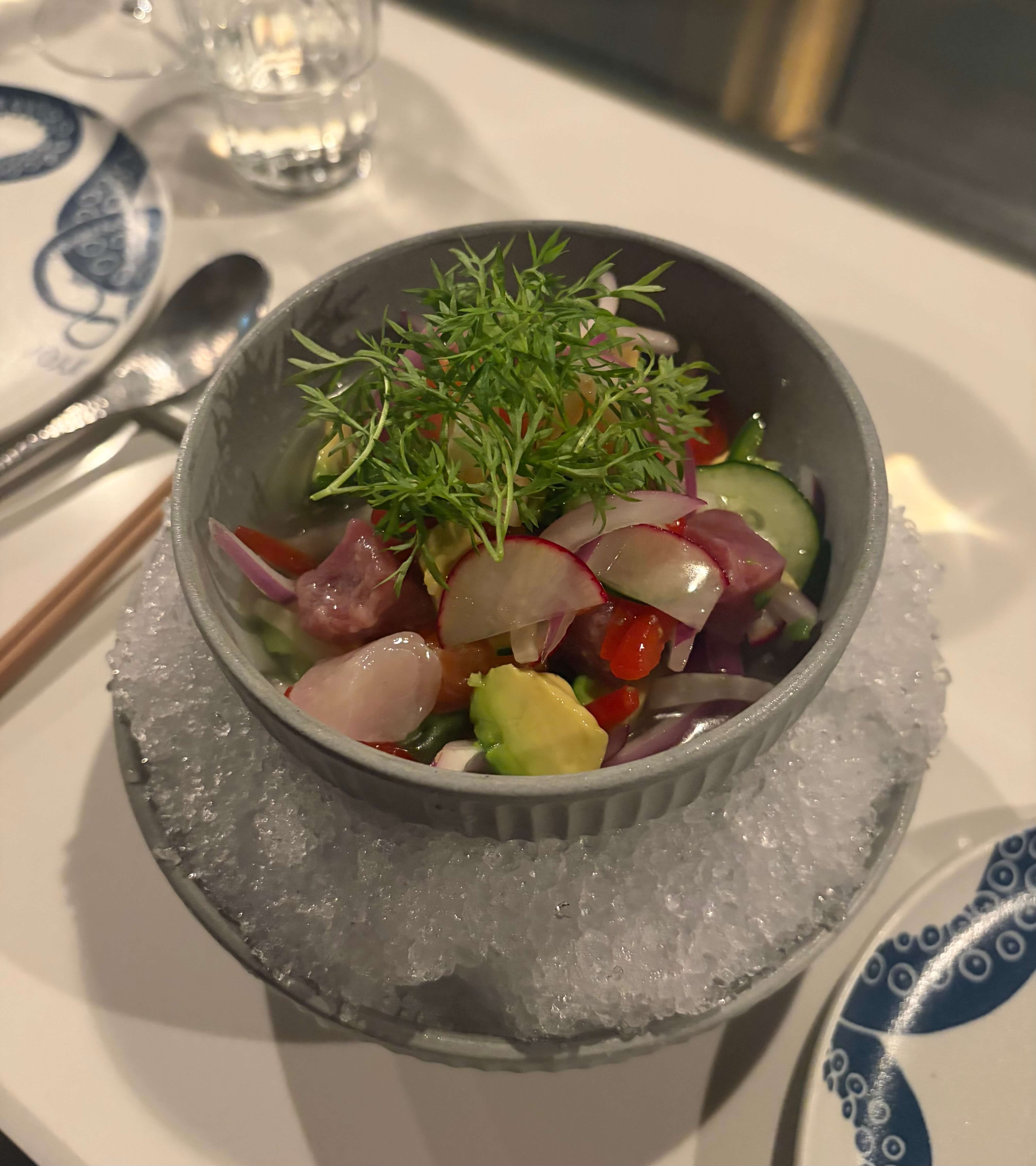
Food is one of the most rewarding ways to experience a new culture as a family. In Seoul, this might mean sampling street food at Gwangjang Market, sitting down for Korean barbecue, discovering regional specialities, or spending an afternoon in a traditional tea house. The city also has an exceptionally sophisticated fine-dining scene, with 42 Michelin-starred restaurants.
Families looking for a more immersive experience might arrange a private food tour or Korean cooking class. A knowledgeable local guide can introduce the history and regional influences behind different dishes, while a cooking class offers an opportunity to learn something together. These experiences can be particularly rewarding for families with different levels of culinary adventurousness.
Spend Time in Nature
For all its energy, Seoul also offers plenty of opportunities to step away from the pace of the city. Seoul Forest provides a pleasant setting for a quieter afternoon, while Cheonggyecheon, the stream that runs through central Seoul, offers a peaceful walking route through the surrounding urban landscape.
The Han River is another excellent place to spend time together. Families can enjoy a picnic, take a leisurely walk, or simply find a spot to appreciate the views across the city. After several days of sightseeing, a little unstructured time can be just as valuable as another planned excursion.