
Children are naturally curious and naturally want to create. They see the world differently than adults and notice things we might overlook. A parent's role is to encourage this curiosity and help children take it further. When visiting museums with your children, the goal isn't simply to teach them how to behave and not touch the artwork. It is to raise a child who really looks, who shares opinions, asks questions, and draws connections. Below, we share suggestions for parents who hope to foster a lifelong appreciation of art.
Make it a habit from a young age.
It’s never too soon to start taking children to museums and art galleries. Visiting museums from a young age helps children feel more comfortable in those spaces and builds confidence in their own eye. The National Endowment for the Arts published a study citing a wealth of proven benefits of visual art (along with performing arts) for children, including social, cognitive, and emotional benefits. Click here to read more. By making art part of everyday life from an early age, parents can help cultivate interests that last well into adulthood.
Don’t take it too seriously.
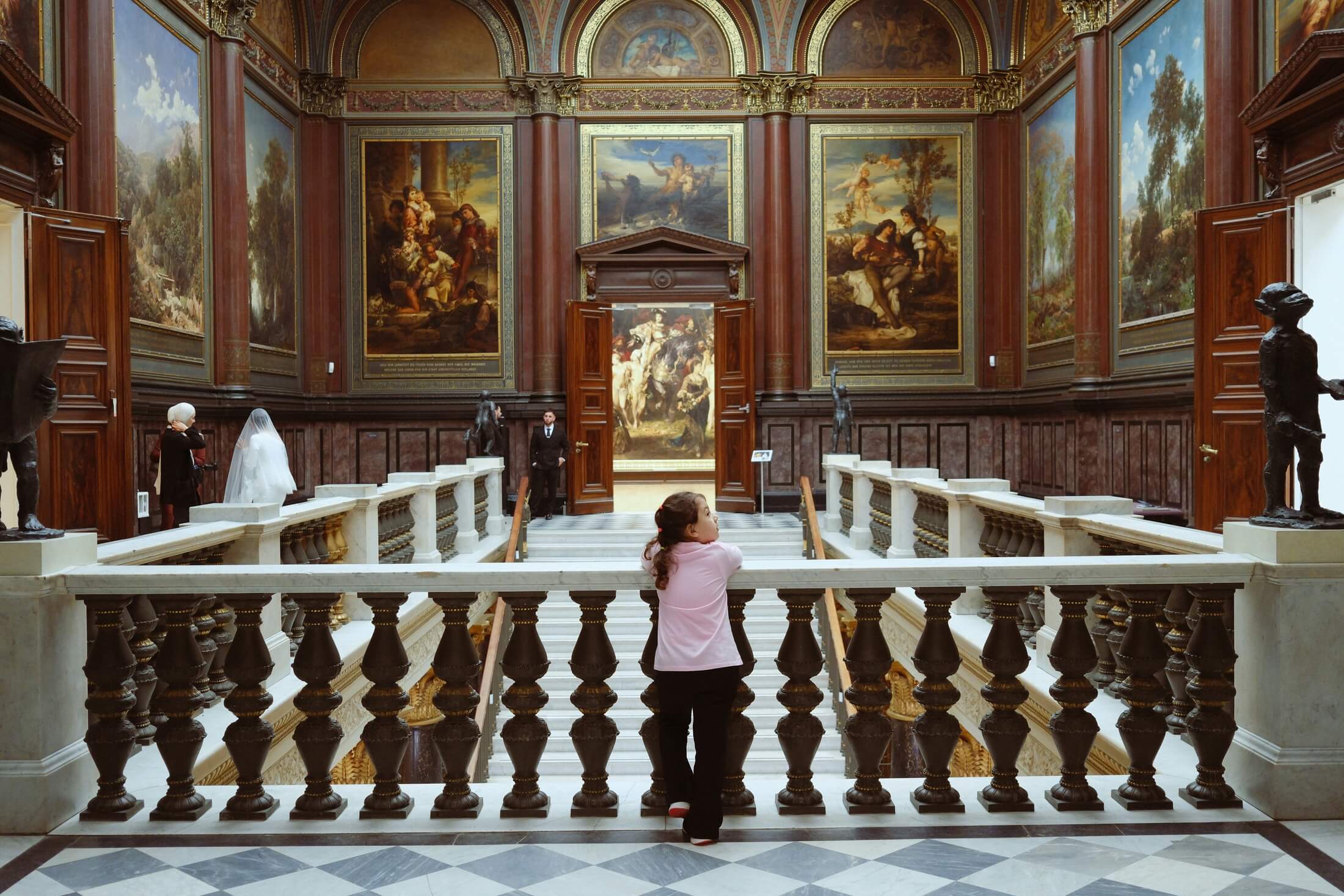
Visiting museums doesn't have to be a silent or serious activity. Manage your own expectations based on your child's age, interests, and attention span. You don't have to see the entire museum in one visit. It's enough to spend time with five works thoughtfully rather than rush through every gallery while arguing about volume levels and focus. Find ways to break up the day. Many museums offer interactive programming for children, which can help them engage with the art in different ways. For many children, a full day in the museum can simply be too much. You might spend half the day in the museum, a couple of hours outside playing sports or exploring a nearby park, then discuss what you saw later over dinner. Don't underestimate the impact a brief encounter with art can have on a child's imagination.
Particularly active children may struggle in traditional museums at certain stages of life. In those circumstances, sculpture parks can be a wonderful alternative, allowing children to experience art while moving freely outdoors.
Follow their lead.
Use your children's existing interests as a way to help them connect with art. Children interested in unicorns, knights, and medieval history may enjoy a visit to view the tapestries, gardens, and manuscripts at the Cloisters in New York City. Those who love ships might enjoy paintings by J.M.W. Turner. Allowing children to find something they immediately connect with helps them feel more comfortable examining the work in greater depth.
Ask questions and encourage curiosity. What is their favourite piece and why? What do they think the artist was thinking when they painted it? How does the work make them feel? Don't forget to share your own observations and preferences. It's important for children to learn to express their reactions to art and to hear how others experience the same work differently.
Tell the stories behind the art.
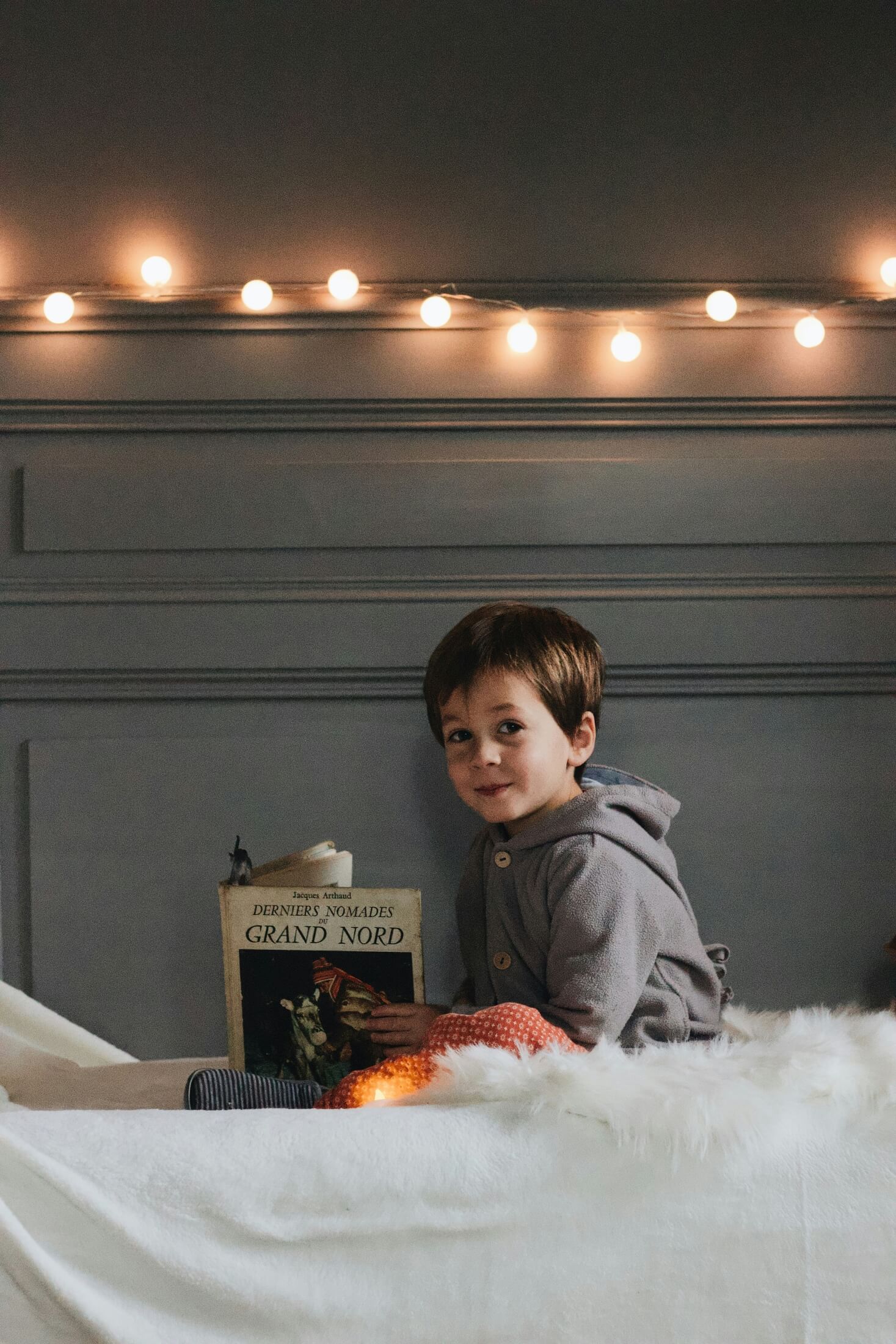
Children connect with stories more naturally than facts or dates. Learning about the people behind the paintings can make works of art feel more alive for people of all ages. Read books about artists, watch documentaries together, or talk about the lives they led. This also helps children understand that the past often resonates more with the present day than we realize. Discover which artists were friends, who inspired one another, or how major historical events shaped the work they created.
You can also connect art to your child's existing interests. If they're reading The Hound of the Baskervilles or Oliver Twist, look for exhibitions featuring Victorian London. A child fascinated by Ancient Egypt might enjoy learning about the history behind Egyptian sculptures before visiting a museum. These connections help children see that art isn't separate from history, literature, or everyday life. It's one more piece of the puzzle to add to their understanding of the world.
Turn the home into a studio.
Stock your home with a variety of art supplies and encourage experimentation. Not everything has to be a masterpiece. Buy coloured pencils, crayons, markers, and pastels, but also encourage children to experiment with collage using old newspapers or magazines, or by creating sculptures from recycled materials. Suggest they make artwork inspired by what they notice in the world around them.
Continue the conversations started in the museum. If they mention a particular colour they loved, try mixing it together at home. If they were fascinated by a sculpture, experiment with clay or modelling materials. Spend an hour off your phone creating alongside them. Celebrate their work by displaying it proudly in your home or saving favourite pieces in a scrapbook or portfolio.
Encourage collecting.
Collecting doesn't have to mean spending thousands of dollars at an auction or gallery. Watch your child's interests and encourage them to start a collection of their own. It could be postcards, stamps, shells, stones, pressed flowers, or even museum tickets and exhibition brochures from places you've visited together. Collecting teaches children to look more closely, notice details, and appreciate craftsmanship. As their interests develop, those early collections may become treasured mementos and tell the story of their developing interests over time.
Look for art everywhere.
Teach children that art is everywhere, not just in museums and galleries. There is public art on city streets, but there are also the colours in a sunset, the shapes of the clouds, the patterns in tree bark, and the way the morning light streams through a bedroom window. Point out beautiful things you notice every day and encourage them to do the same. The more children learn to observe the world around them, the more naturally they will begin to appreciate creativity in all its forms.
Create Memories
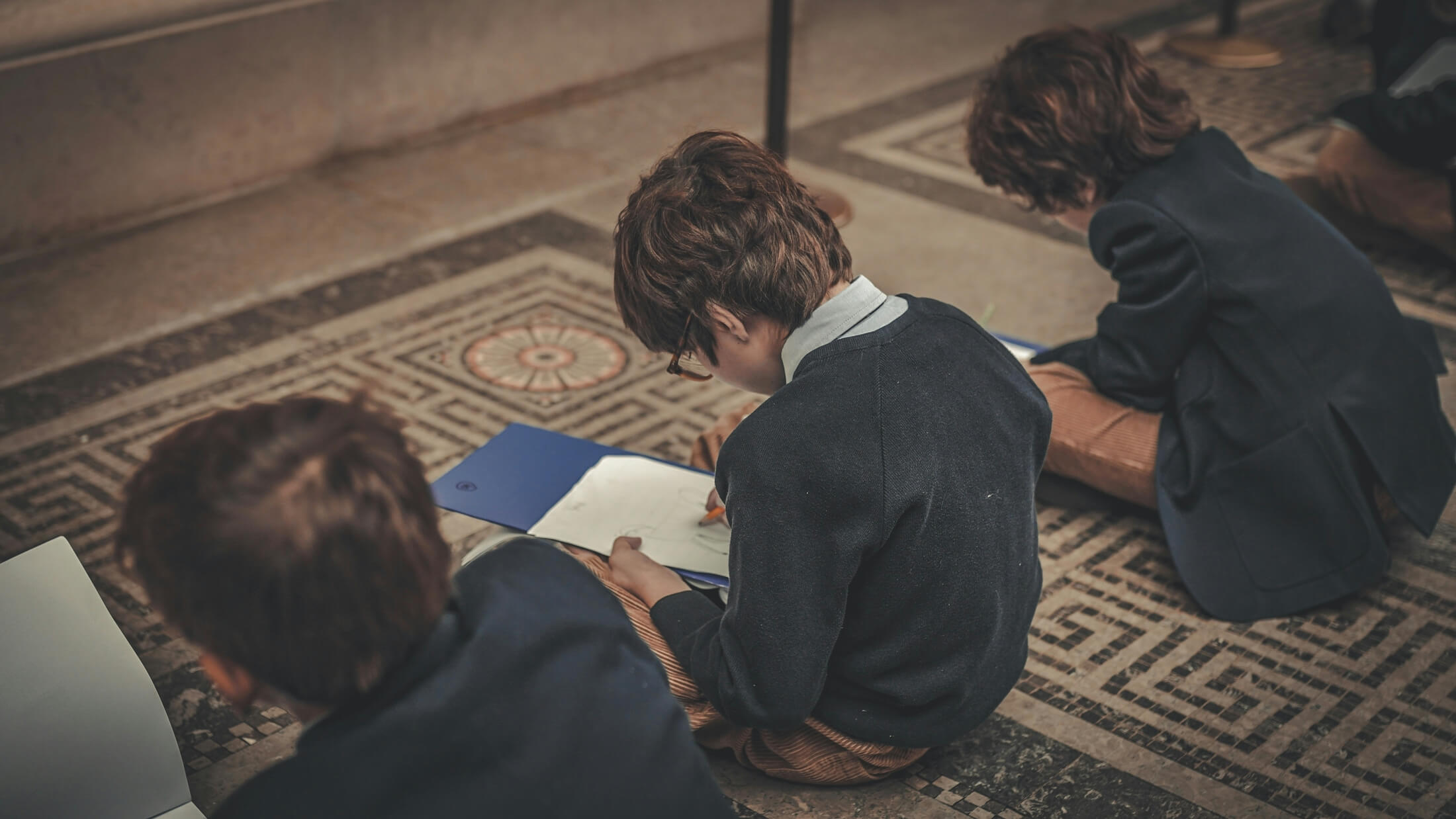
Make time together in museums and galleries feel like an adventure. Plan thoughtful outings that feel special and unique, but don't overlook the value of spontaneous visits after school or while traveling. Follow your children's interests and let their curiosity shape the experience. You might buy them a sketchbook to record the works they loved, make quick drawings, or jot down observations and questions. Years from now, they may not remember every painting they saw, but they are likely to remember how those experiences made them feel, and that sense of curiosity can stay with them for a lifetime.