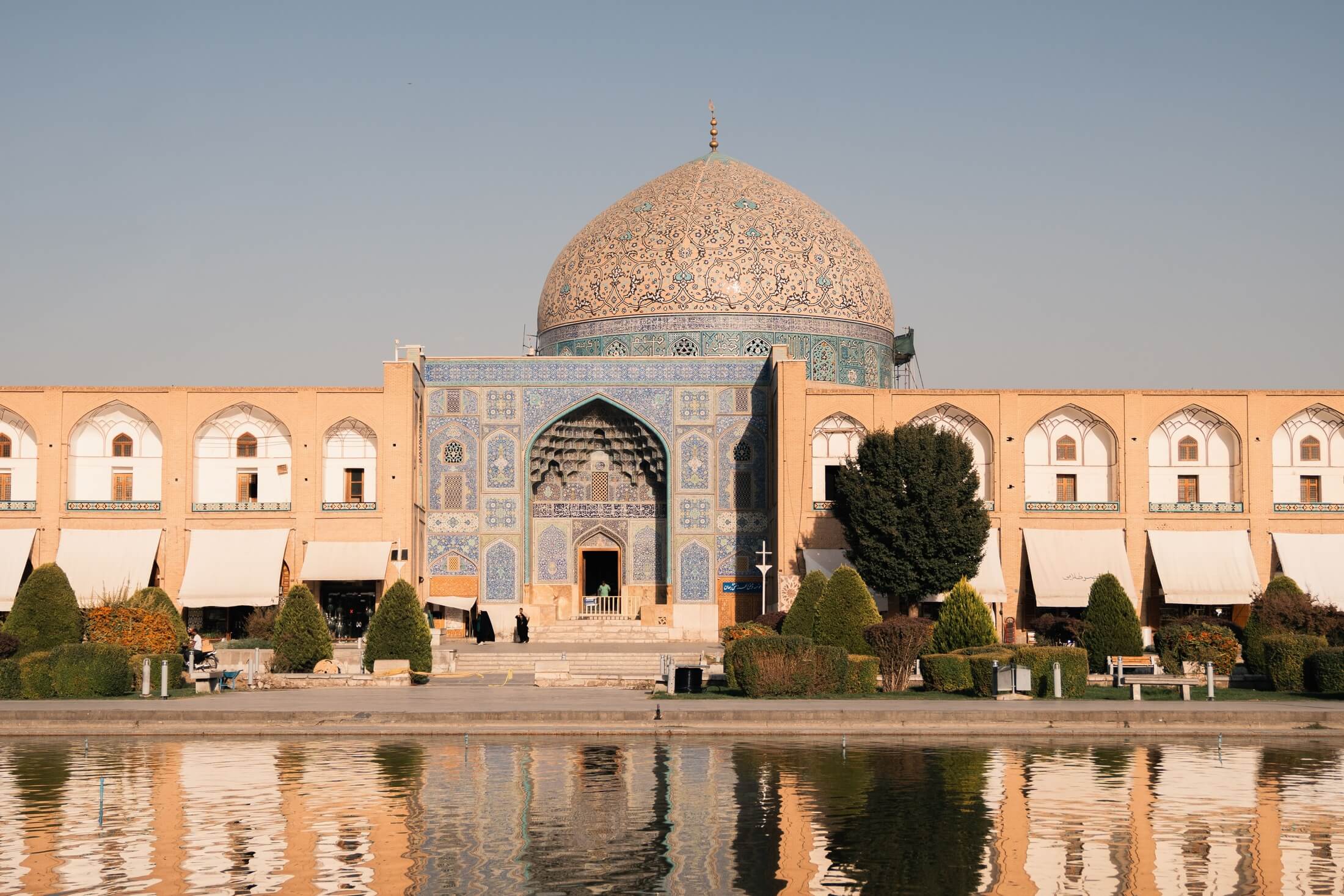
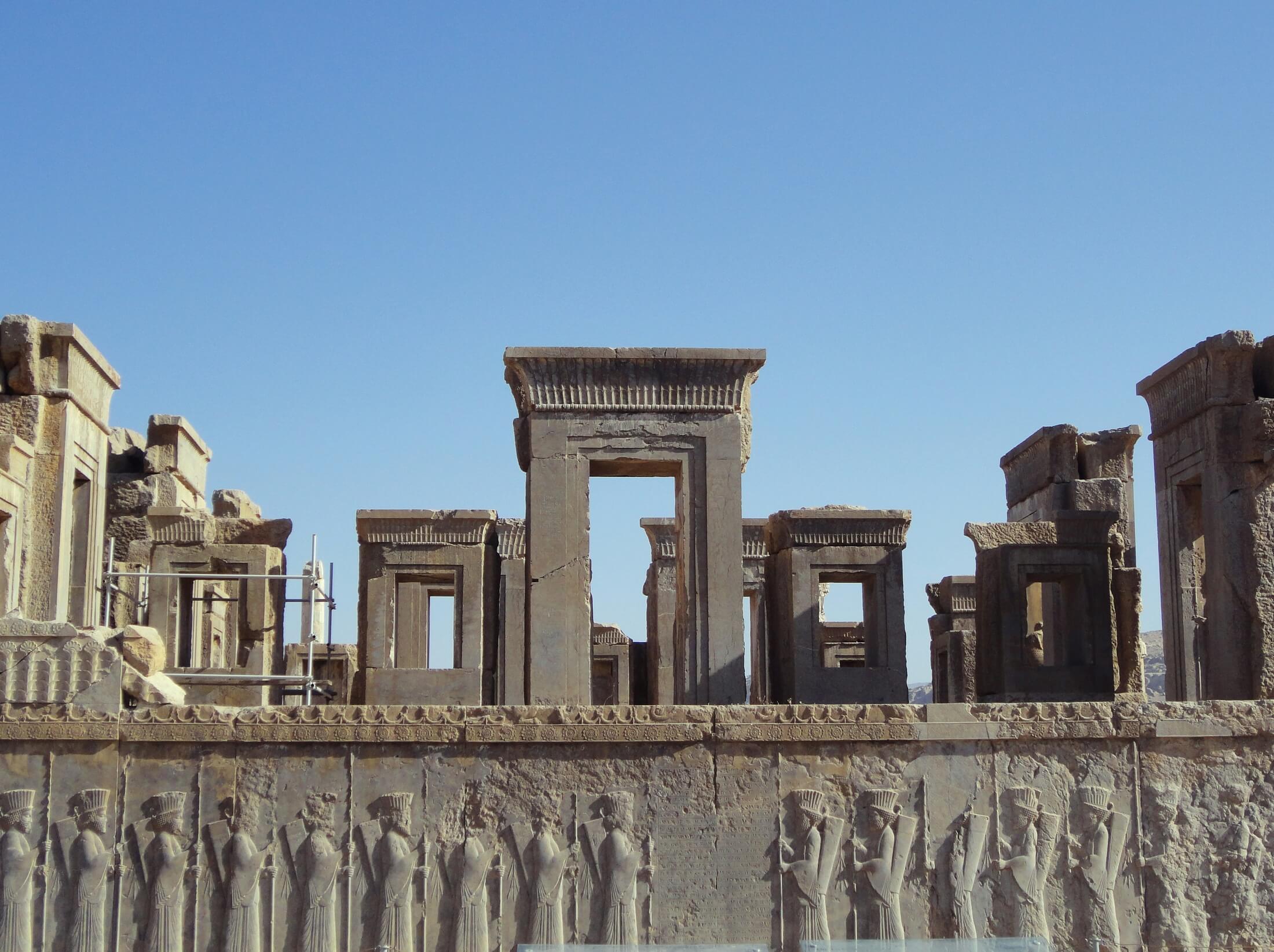
Built on the foundation of Cyrus the Great’s multicultural Achaemenid Empire, Iran initially thrived as a place of tolerance, respect, and creativity. Afterwards, centuries of change saw the rise and fall of many empires, including the Parthian Empire and the Sasanian Empire, but the culture and spirit of the Persian people persisted throughout.
This cultural richness cannot be overstated. From architectural masterpieces such as Shah Mosque and Naqsh-e Jahan Square, to the contributions of great thinkers like Avicenna, Ferdowsi, and Rumi, Iran’s heritage is distinguished by its creativity, intellect, sensitivity, and vibrancy. Persian architects are renowned as visionaries for their approach to both sustainability and aesthetic beauty. Persian engineers designed underground water systems, wind-powered machines, and even early forms of air conditioning, all technologies created in response to the natural environment that went on to inspire designers and builders worldwide. Persian contributions to engineering, poetry, music, miniature painting, carpet weaving, mosaics, culinary arts, garden design, architecture and so much more have shaped artistic and intellectual traditions across the world.
The 20th century, however, saw mounting political unrest. Beginning in the 1960s, the White Revolution introduced rapid modernization and Westernization. While this did have some initial benefits, particularly in women’s rights and education, it ultimately led to new political, economic, and religious tensions. Under Mohammad Reza Pahlavi’s authoritarian leadership, Iran modernized quickly, but without corresponding political freedom. By the 1970s, unrest had reached a boiling point, and following an initial economic boom, inflation, corruption, and inequality grew, sparking widespread protests. These pressures ultimately culminated in the Iranian Revolution. In its aftermath, Iran was transformed into an Islamic Republic under Ruhollah Khomeini, ushering in profound political and cultural change. The years since have been shaped by numerous difficulties, including the Iran-Iraq War, restrictions on free speech and dissent, and continued tensions with the West. While Iran remains politically complex and largely isolated, the Iranian people stand strong as resilient, creative, and dedicated to their rich history.
We recently sat down with two Iranians living in the U.S., both with loved ones still in Iran, who agreed to speak with us anonymously about their feelings on Iran, the war, and the path forward. We’re sincerely grateful for their time, their trust, and their courage in helping shed light on this layered situation.
Interview One: Secularism, Resilience &
The Iran Prosperity Project
Has your relationship with Iran changed over your lifetime?
Not significantly. Iran and being Iranian has always been a fundamental component of my self-identity. While I have spent the vast majority of my life outside of Iran, I was raised with a great awareness of Iranian history and culture. For my family, and this is the case for many Iranian families both in the diaspora and inside Iran, Iranian identity is tied more to Iranian culture and heritage than religion. Therefore, my opinion of/relationship with Iran hasn’t changed significantly over my lifetime; in fact, it may have only become stronger since I had kids and am raising my children with a sense of both Iranian and American identities.
What do you love about the country?
Its ancient history and culture. The fact that despite centuries of strife, from countless invasions and conflicts, it has largely maintained its modern-day borders and sense of national identity and culture.
What are the biggest changes you’d like to see in the country?
First and foremost, secularism. Iran is a very diverse country, made up of various ethnic groups and even religions. Iran was home to millions of Christians and Jews before the 1979 Islamic revolution and even today a lot more Jews and Christians are in Iran than is commonly known. Iran does have a history of secularism - it was Cyrus the Great, the founder of the Persian Empire, who established religious tolerance around 539 BCE, marked by his conquest of Babylon and where he issued a decree allowing various displaced peoples, including Jewish exiles, to return to their homelands and restore their religious practices. Therefore, Iran has a long connection to the notion of secularism which unfortunately has been overtaken since 1979. A return to its secular roots would put Iran again on the right path towards a secure and safe future for the Iranian people, and the residual impact of this would be very beneficial for the region as a whole.
How would you describe the current political system in Iran?
A theocratic dictatorship - where a minority of the population, under a particular religious philosophy, hold political, economic and military power.
Why is it important that you speak anonymously right now?
As I still have close family inside Iran, it is for their safety that I speak anonymously as the Iranian regime targets people in the diaspora who vocally oppose it and use their family inside Iran as leverage to pressure them into silence.
Are there risks people face for expressing their views on change openly?
Yes, absolutely. The regime has proven time and time again over its 47-year rule that it violently cracks down against any form of dissonance. In January 2026 alone, it killed over 30,000 people in just a matter of days for protesting against the regime.
What do you think is the most important thing for people outside of Iran to understand about the current war and situation?
It is very difficult for people outside Iran to understand the situation inside Iran given the isolationist approach the current regime has taken and of course the complex history between the US and European countries and Iran. The most important thing however for outsiders to know and understand is the great difference between the Iranian people and the regime in control. In likely no other country in the world does the regime or controlling powers of a country differ so much from the sentiments of the majority of the people than in the case of Iran.
Can you explain the recent change in leadership and how you feel about it?
The killing of Ali Khamenei was a very significant event, something most Iranians thought they wouldn’t see in their lifetimes. However, the Iranian regime has very long and wide tentacles and so his death, albeit significant, does not equate to the demise of the regime as a whole.
How are your loved ones and family doing? What is daily life in Iran like at the moment? Are you able to communicate regularly? Are they safe?
As far as I know, my family is ok although the internet blackout is in place for over 3 weeks all across Iran. Regular communication is impossible. Any bit of news I receive is the result of a few minutes window where service is restored and messages get through. In these instances, messages are very short, resorted to “we’re ok” and that’s it. As communication channels are monitored by the regime, people are reluctant to say anything more.
What is the general feeling of the majority of Iranian people at the moment? Are they mostly aligned or are there multiple viewpoints on the situation?
The majority of Iranian people want to see the end of the current regime and are aligned on this front. They are in fact happy that the U.S and Israel are attacking the regime, even if it means they themselves are in danger. In their view, continuation of the brutal Iranian regime is certainly further demise and death. At least with the US and Israel attacking the regime’s forces, they have a chance of survival and a chance of a free Iran.
What do you wish people outside Iran better understood about the country in general and about the current situation? What are the biggest misconceptions?
The biggest misconception is that the people of Iran are ok with or somehow support the regime. The Iranian regime is the biggest state sponsor of terror in the region and the world. Iranians feel they have been kept hostage by this regime. They want to be reconnected and reintegrated with the rest of the world. Of course, the regime has its supporters inside Iran, but they do not by any means represent the majority of the population. Iran is a country of approximately 90 million people, with approximately 10 million in the diaspora post-1979. The majority of the 90 million are young, under the age of 45 and are highly educated. This significant part of the population has no meaningful connection with the theocratic regime and actually despises the regime for its decades of corruption and proxy war funding (to groups like Hamas and Hezbollah) that have stolen Iran’s wealth and potential from its own inhabitants.
In your opinion, where do we go from here? What would be a good solution for Iranians?
Since the war has started, the thing to keep in mind is that there really is no returning to the prior status. If the current regime were to survive in whatever form, it would be a great detriment and the demise of the Iranian people and the region. Because the regime is completely based on a fundamental anti-West, anti-Israel philosophy, its survival, even to a severely weakened state, would be seen by its supporters both inside Iran and outside Iran as a victory. The regime would regroup and regrow and come back with a vengeance. That is why it is important for the U.S. and Israel to neutralize the regime so that the Iranian people can take back their country. That is the only solution for Iranians - to see the end of this regime in full. As to what it would take its place…the Iranian people have never been so unified as they are now for the return of Reza Pahlavi (the prior Shah’s son) to return to Iran and lead Iran’s transition. It is important for non-Iranians to understand that there cannot be an opposition leader inside Iran—there never has been post-1979. That is because the regime simply would not allow it. While the regime prides itself on holding “elections” they have never been free or fair. Candidates are blacklisted, and any voice of opposition is effectively eliminated. So it is not surprising that Iranians have had to look beyond their borders for help. A good solution for Iran would be the return of Reza Pahlavi to lead a transition government, ensuring safety and stability in the aftermath of the current regime’s collapse, and getting Iranians to the point where they can determine their own future in terms of the system of government they want to have, etc.
This detailed plan is laid out clearly in the Iran Prosperity Project, which is available here: https://fund.nufdiran.org/en
What do you view as the biggest short and long-term concerns for Iran?
In the short-term, the demise and elimination of the current regime. I am most concerned that the current war will drag out longer than expected for various reasons, including the reluctance of NATO leaders to take a stance against the regime. They don’t have to directly enter the war by striking Iran but can and should help open the Strait of Hormuz.
What is the biggest challenge ahead for Iranians?
The biggest challenge ahead for Iranians is to be given the opportunity to take back their country. But this requires the neutralization of the regime so that the people, who are not armed, to fight back against the regime on a more level playing field.
What gives you hope about Iran’s future?
Its people. Iranians are highly educated and resilient. The national sense of identity and pride runs very deep among Iranians. It is this innate feeling that will continue to motivate Iranians to fight to secure a sustainable and successful future for themselves.
Learn more about The Iran Prosperity Project
A Blueprint for Rebuilding Iran
Interview Two: Identity, Freedom & Meaningful Change
Can you share a little bit about your background?
I was born in Tehran, Iran and fled the country with my family when I was three years old. At the time, the Iran–Iraq war was ongoing, and most of our extended family remained in Iran when we left. One of my earliest memories after arriving in the United States was around the Fourth of July. When we went outside to watch the fireworks, I remember crying uncontrollably because the sound and lights reminded me of the bombs in Iran. As a child, I thought we were still there, and the experience had clearly left a strong impression on me.
Even though we moved to the United States, much of our extended family stayed in Iran. Growing up, we would return almost every summer to visit them, sometimes staying for extended periods. Those trips became some of my most cherished childhood memories. Spending time with family there and experiencing the culture firsthand had a lasting impact on me.
Has your relationship with Iran changed over your lifetime?
My relationship with Iran has evolved over time. As a child, my connection to the country was mostly through family visits and the memories I had from growing up between cultures. As I’ve gotten older, I’ve developed a deeper appreciation for Iran’s history, culture, and the resilience of its people. Even though I grew up in the United States, Iran has always remained an important part of my identity because of my family, heritage, and the experiences I had visiting throughout my childhood.
What do you love about the country?
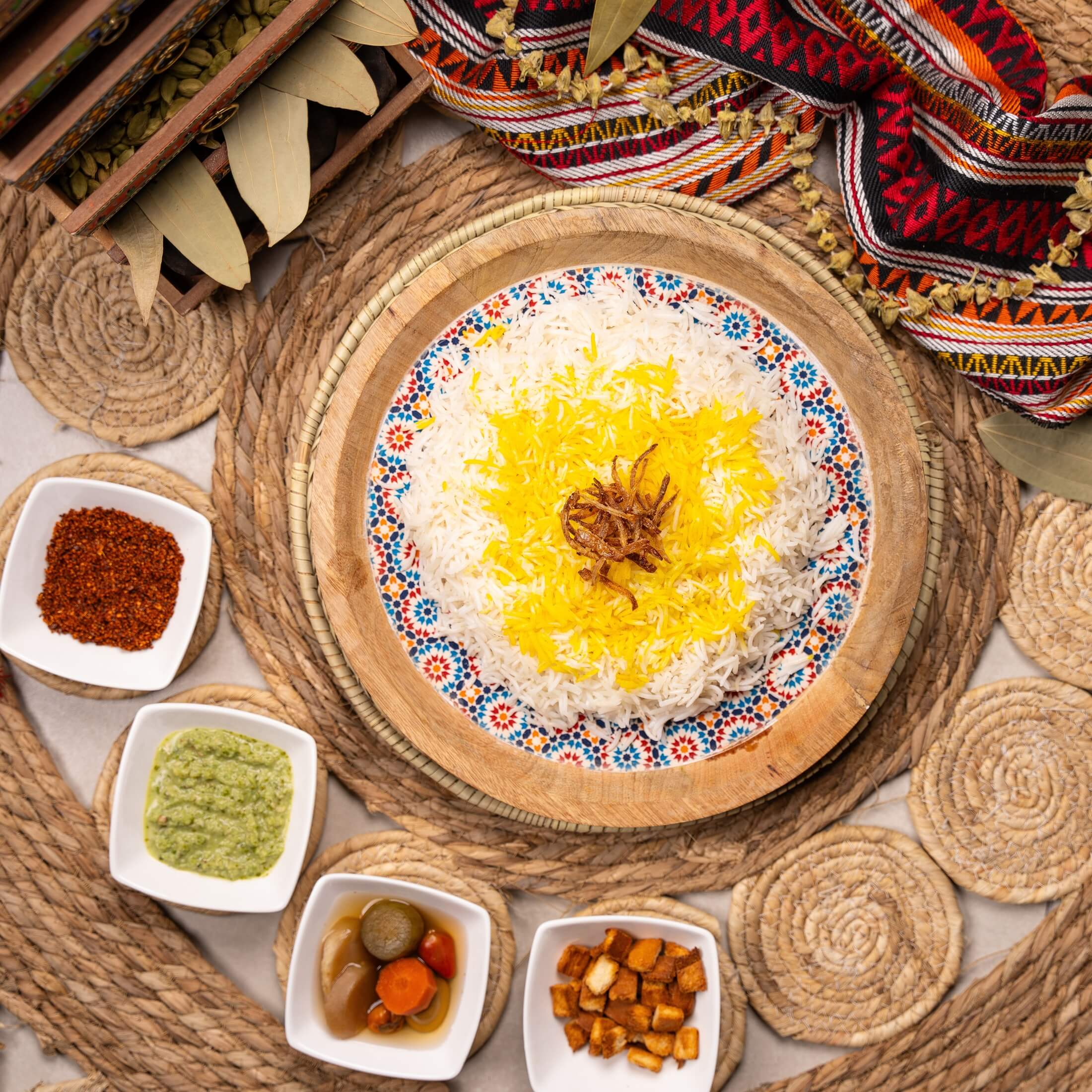
There are so many things I love about Iran. The food, the culture, and the history are incredibly rich and meaningful. It is one of the most beautiful and culturally enriching places I have ever visited. What stands out the most to me, though, is the people. Iranians are extraordinarily warm and welcoming. No matter where you go, people invite you into their homes, share meals, and engage in thoughtful, intellectual conversations. There is a deep sense of hospitality and community that makes the country feel very special.
What are the biggest changes you’d like to see in the country?
More than anything, I would love to see greater freedom and opportunity for the people of Iran. It is a country with an incredibly educated, talented, and creative population, and I would hope for a future where people have more personal freedoms and the ability to fully express themselves. I would also love to see Iran more connected with the rest of the world.
Why is it important that you speak anonymously right now?
The Iranian people are some of the most courageous, brave people I know. Many are fighting with everything they have for the possibility of freedom and a better future. For decades, people have lived under conditions they deeply disagree with, and many feel that living without freedom is not truly living at all. They are risking their lives in the streets every day, and those of us outside the country can help by amplifying their voices. The world needs to see what is happening and stand with the Iranian people.
Are there risks people face for expressing their views on change openly?
Yes, there are very real risks. The government closely monitors dissent, and people who speak out can face severe consequences. Even those living abroad worry because their families back home can be targeted. Individuals have been threatened, harassed, imprisoned, or worse simply for expressing their opinions or advocating for change. That fear is very real for many people, which is why many choose to speak carefully or anonymously.
How are your loved ones and family doing? What is daily life in Iran like at the moment? Are you able to communicate regularly? Are they safe?
My family is safe for now, they’ve said that the bombing isn’t close to them as they don’t live near any governmental or military facilities. They don’t seem to be very scared, but that may just be trying to put on a brave face to avoid worrying us. I’m not sure. Most people just go out when they need to get groceries, and most places are open. They spend time outside in their courtyard, and have said there aren’t many people on the streets. Before the war I was speaking via WhatsApp. Because the internet is cut off right now, we can’t communicate via WhatsApp anymore. Family are calling me through a calling card they have. I’m dependent on them calling me; my calls and texts aren’t getting through to them.
What is the general feeling of the majority of Iranian people at the moment? Are they mostly aligned, or are there multiple viewpoints on the situation?
In my opinion, there are several viewpoints among Iranians right now. Some people support Reza Pahlavi and see him as a potential leader or transitional figure who could help guide the country toward change. Others do not support him and believe a different type of leadership or system should emerge.
There are also different opinions about the current conflict. Some believe that external pressure or even war could ultimately lead to the regime losing power. Others strongly oppose war because they worry about the suffering it could bring to ordinary people, even though they still want political change.
While there are many different perspectives, I think most people agree on one core issue: they want meaningful change and a future that is different from the system that has governed Iran for decades. The hope is that Iranians, despite their differences, can ultimately come together around that shared goal.
What do you wish people outside Iran better understood about the country in general and about the current situation? What are the biggest misconceptions?
The most important thing for people outside of Iran to understand is that the Iranian people are not the same as the government that rules them. So often the world looks at Iran only through politics or conflict, but behind that are millions of ordinary people who want the same things everyone else wants—freedom, safety, opportunity, and a normal life.
What is the biggest challenge ahead for Iranians?
I think the biggest challenge ahead for Iranians is finding a path toward real change while keeping the country stable and protecting the people. Many Iranians want freedom, opportunity, and a government that truly represents them, but reaching that point is incredibly difficult after decades under the current system.
Another challenge is unity. There are many different ideas about what Iran’s future should look like and who should lead it. While those differences are natural, the challenge will be finding common ground and working together toward a shared goal of a freer and more prosperous Iran.
Ultimately, the Iranian people are resilient and determined. The challenge ahead is turning that determination into lasting change that gives future generations the chance to live with dignity, opportunity, and hope.
What gives you hope about Iran’s future?
What gives me hope is the courage and resilience of the Iranian people, especially the younger generation.