
Travellers can move from the precisely engineered urban environment of Tokyo to a thousand-year-old imperial capital, and then on to a subtropical archipelago with its own language, cuisine, and musical traditions, all without crossing a national border. For a two-week family holiday centred around Tokyo, Kyoto, and Okinawa, these destinations offer a rewarding introduction to Japan without making the journey feel rushed. Those with more time can easily add a day trip or two along the way. Together, these three destinations offer three very different perspectives on Japan: Tokyo, the modern metropolis; Kyoto, the preserved past; and Okinawa, the Ryukyuan alternative.
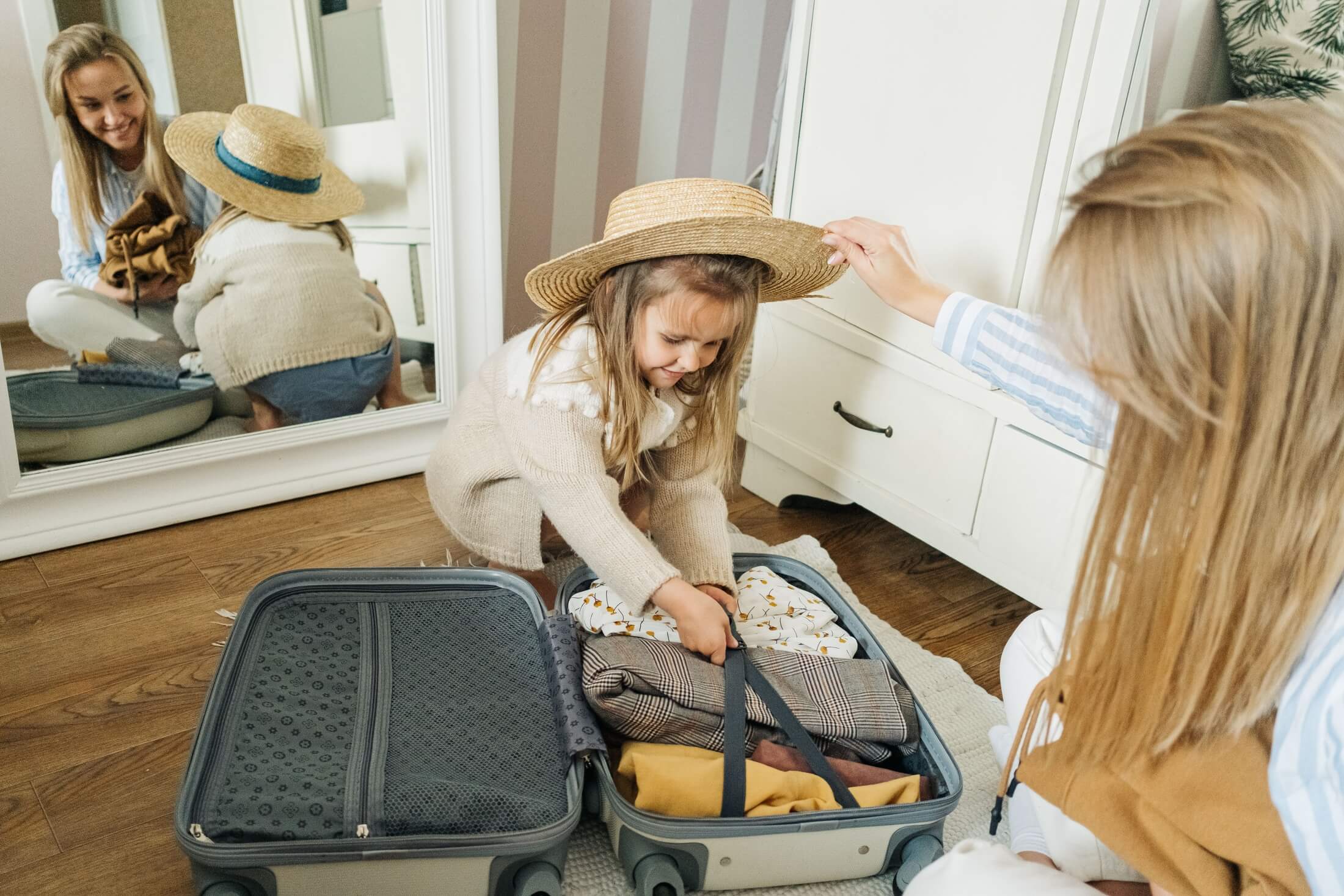
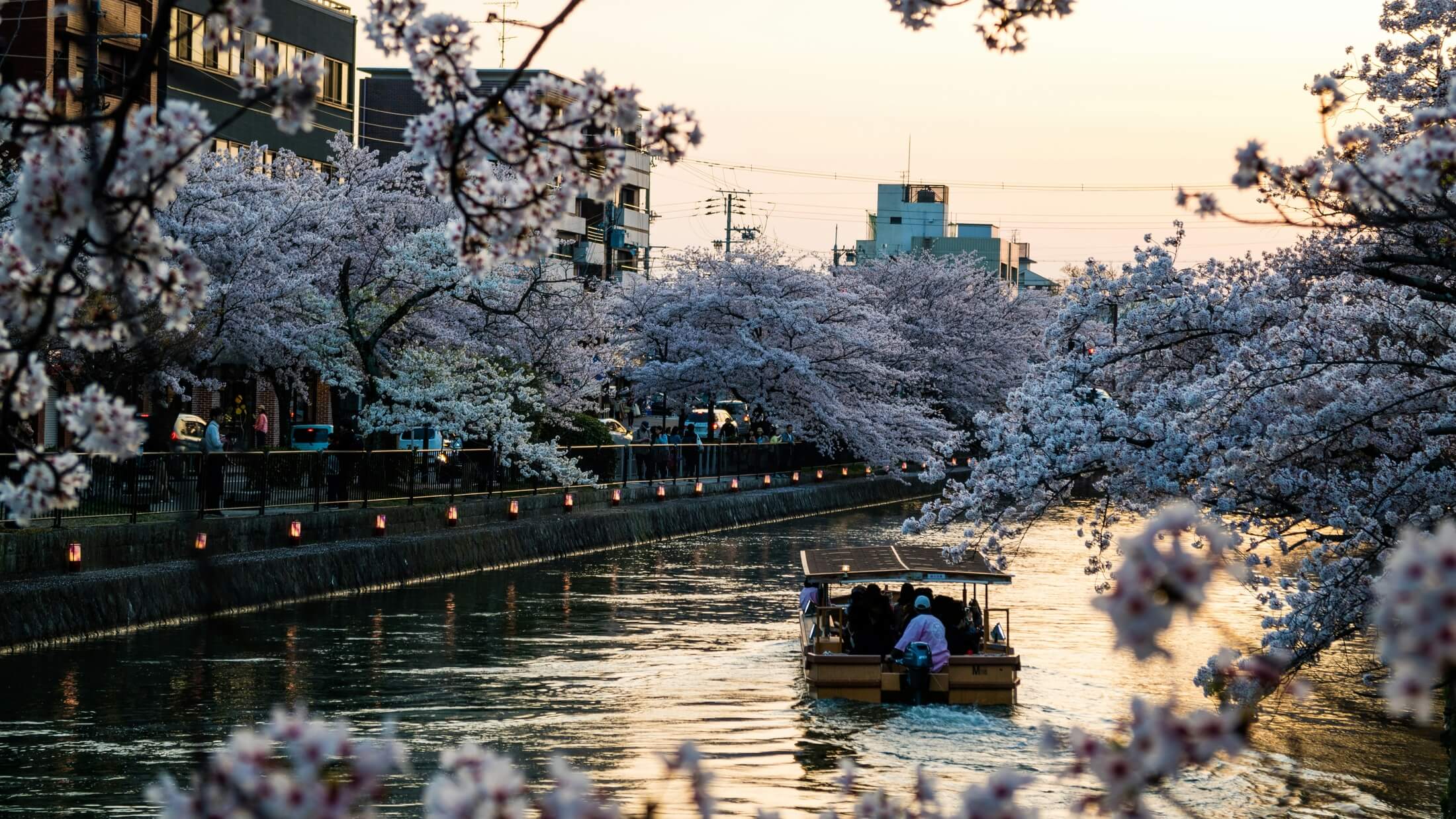
For families who have already travelled extensively in Europe and are looking for a destination with the same depth of culture, history, and luxury, Japan offers something altogether different. For children especially, there is a particular wonder in discovering a place where cherry blossoms frame centuries-old architecture, unfamiliar dishes arrive with their own rituals, and everyday experiences invite curiosity. From sleeping on a shikibuton and removing shoes before entering a room to learning how to pour tea or greet someone, children encounter small but meaningful reminders that there is more than one way to do nearly everything in the world around them.
Tokyo: The Modern Metropolis
Tokyo has been nearly destroyed twice in a century. First in the 1923 Great Kanto Earthquake and again in the 1945 firebombing. Each time, the remarkable city rebuilt itself into something more ambitious and sophisticated. The city operates at a level of infrastructural precision most capitals can only aspire to: trains that arrive to the second, convenience stores serving restaurant-quality food, and a social infrastructure built on omotenashi, the Japanese philosophy of anticipatory hospitality. Omotenashi is not simply good service. It implies a host who perceives a guest's needs before they are expressed and meets them without drawing attention to the effort, a concept rooted in tea ceremony practice and embedded in Japanese service culture at every level, from corner shops to luxury hotels. It is not a flashy type of hospitality; in fact, it is so well done that it is almost imperceptible.
While in Tokyo, there is a wealth to see for family members of all ages. The National Museum of Modern Art, Meiji Shrine, and Koishikawa Korakuen, one of Tokyo's oldest Japanese gardens, provide grounding in art, spirituality, and landscape design. Children tend to love the Ghibli Museum and teamLab Planets, an immersive, multi-sensory experience that blurs the line between museum and playground. Teenagers gravitate naturally toward Cat Street's curated boutiques and Shibuya's Parco complex, home to dedicated Nintendo and Pokémon stores. These neighbourhoods need not be a separate excursion; they are easy to build into a day of sightseeing that will keep the whole family interested.
For accommodations, Aman Tokyo remains a standout, particularly for couples or small families. The one-bedroom Aman Suite, at 1,689 square feet, features a dining table for six, a mini wine cellar, and rooftop views. For families who need a full two-bedroom space, the Four Seasons Hotel Tokyo at Otemachi offers spacious suites better suited for larger families.
If you won’t be booking a private car service for your stay and plan to rely on public transportation, it is best to plan your routes ahead. Tokyo's transit system is increasingly accessible for families with strollers, though not universally. The Ginza and Marunouchi lines are the most accessible; some older stations require long walks between transfer points. A lightweight folding stroller is essential for families with young children. It is best to travel light and plan for long days on your feet.
Dining is exceptional at every tier. For Michelin-starred experiences, Kagurazaka Ishikawa and Azabu Kadowaki are outstanding, though the latter admits children aged 13 and older only. For more casual fare, Sushidokoro Shigeru offers informal sushi, Ginza HARU CHAN serves ramen the whole family will love, and Yaesu Unagi Hashimoto prepares unagi with the precision that defines Tokyo's mid-range restaurants.
When it's time to move on, private car transfer to Kyoto may seem smoothest for families with children and luggage, but it takes six to eight hours versus roughly two hours and 15 minutes on the Nozomi bullet train. Luggage forwarding via Yamato Transport (Kuroneko Yamato) is standard practice; bags sent in the morning arrive at the next hotel by the following afternoon, so pack a day bag with essentials, and consider an Apple AirTag for peace of mind while luggage travels separately.
Kyoto: The Preserved Past
Kyoto was the imperial capital from 794 to 1868, for more than a thousand years, and escaped the extensive destruction Tokyo faced, so its architecture, gardens, and craft traditions were able to endure and flourish. Kyoto’s particular luxury lies not in its hotels, excellent though many are, but in its access to extraordinary history.
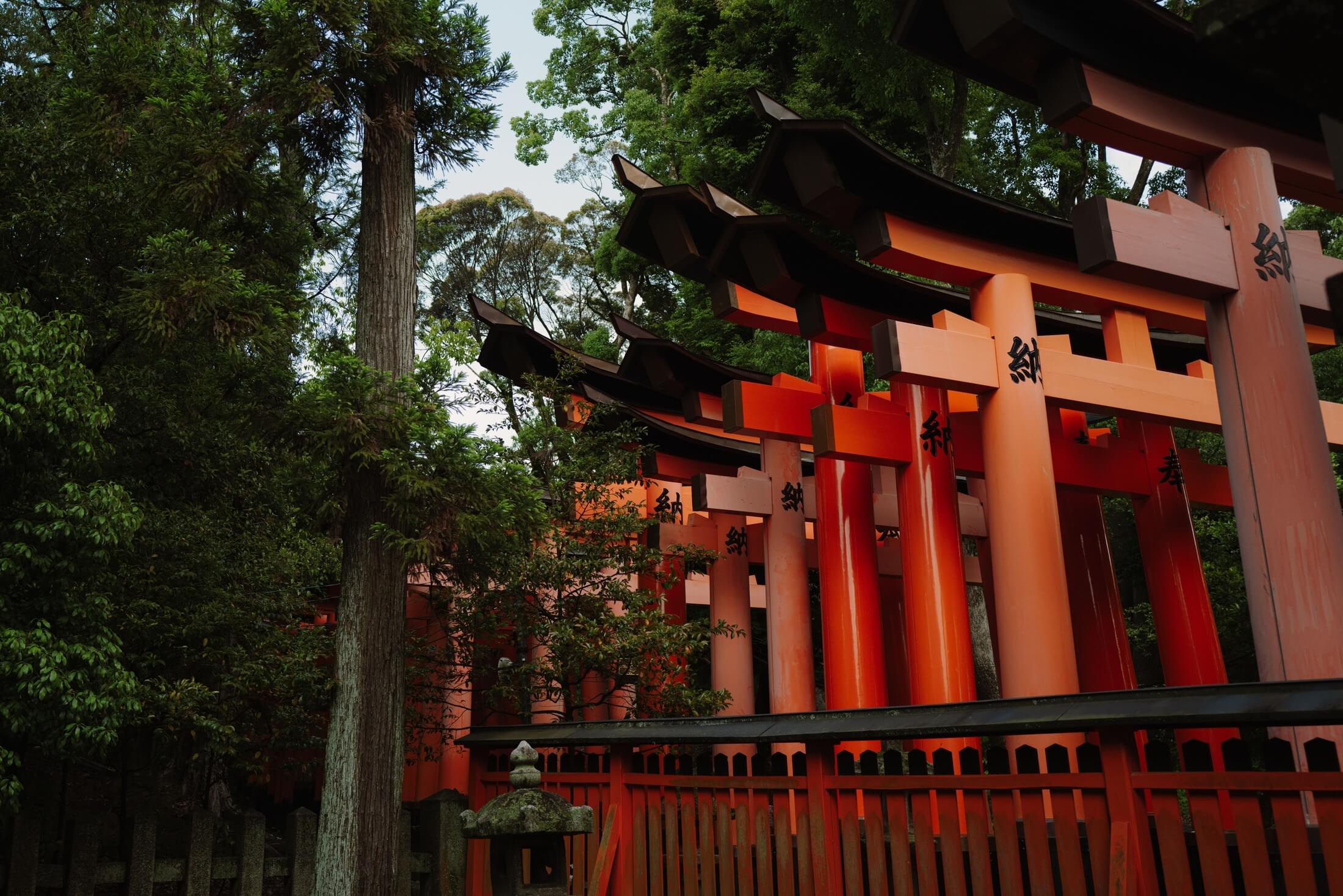
Fushimi Inari Taisha is one of the most photographed sites in Japan, and the famous vermilion torii tunnel is crowded shoulder-to-shoulder by 9 AM. The shrine is open 24 hours, so the best way to avoid crowds is to arrive before 7 AM — ideally by 6:30 during peak season, when a hotel concierge can arrange an early taxi (15–20 minutes from central Kyoto). The early start is a trade-off worth making, particularly for children old enough to appreciate the beauty of the place. The hike to the summit takes two to three hours round trip; families with younger children can turn back at the Yotsutsuji intersection, about 30–40 minutes up, where the view opens over Kyoto.
The Arashiyama Bamboo Grove and the Philosopher's Path remain canonical for good reason. The Kyoto National Museum is an excellent rainy-day option; the ceramics and Buddhist art collection is exceptional, but requires context to engage children. If this stop is of interest, we’d recommend considering a private guide. For elementary-age children, the Samurai & Ninja Museum Kyoto offers a private tour with an optional sword lesson. For a deeper cultural alternative, a private tea ceremony arranged through the hotel concierge, ideally in a traditional machiya (wooden townhouse), allows families to participate in a living tradition rather than a museum visit; some tea schools offer family-oriented ceremonies with explanations in English.
For accommodation, Sowaka is a standout. It is a boutique property offering traditional ryokan aesthetics with modern amenities, nestled in a serene Japanese garden. There are no true suites, so families with more than one child will need to book multiple rooms. Aman Kyoto, surrounded by a lush forest, is an excellent alternative, offering two-bedroom pavilion rooms, all the luxury amenities Aman is known for, plus special Kyoto experiences, including outdoor painting classes, meditation, and Ikebana (Japanese floral arranging).
Kikunoi Honten, with three Michelin stars, offers a modern take on traditional ryotei culture with deep hospitality. For a more informal, child-friendly meal, Noodle Shop Rennosuke serves excellent ramen in a hidden setting. It's important to note that many of Japan's top restaurants, including Michelin-starred establishments, do not accept direct reservations from non-Japanese speakers. This is generally a practical consideration, as restaurants may need to clearly communicate dietary restrictions, allergies, and arrival protocols. Working with the hotel concierge is the solution. They can secure reservations, communicate allergies, and arrange transport. This is also where a licensed guide-interpreter adds real value: Japan's tsūyaku annaishi is a government-certified qualification requiring examination in history, geography, culture, and law, plus language proficiency. A guide with this licence can add considerable historical and cultural depth to the trip.
Okinawa: The Ryukyuan alternative
From Kyoto, Okinawa is reached by air rather than rail. Families will head to Kansai International Airport, about 75 minutes away, then board a flight of two to two-and-a-half hours to Naha, the capital of Okinawa Prefecture.
Okinawa was an independent kingdom until 1879, when the Ryukyu Kingdom was formally incorporated into Japan. For centuries, its position as a maritime trading state brought together indigenous Ryukyuan traditions with influences from China, Southeast Asia, and mainland Japan, creating a culture distinct from that of the mainland. This heritage can still be heard in the islands’ many Ryukyuan languages, including Uchinaaguchi, which are related to standard Japanese but are not mutually intelligible, a linguistic distance akin to Portuguese and Italian. Okinawa’s history took another distinctive turn after the Second World War, when the islands remained under US administration from 1945 to 1972, nearly three decades longer than mainland Japan. Today, Okinawa is also recognised as one of the world’s Blue Zones, regions noted for unusually high longevity, long associated with a combination of diet, social connection, and environment.
For luxury accommodation here, visitors can choose from two vastly different experiences. Hoshinoya Okinawa sits on Taketomi Island in the Yaeyama archipelago. It is reached via a flight to Ishigaki (about an hour from Naha) plus a short boat ride. Once there, visitors will find an island home to only 350 people, where traditional Ryukyuan architecture survives, there are no cars, and transport is by bicycle or water buffalo cart only. Hoshinoya’s waterfront setting and programme of horseback riding, whale watching, cooking classes, kayaking, and sunset cruises make it particularly well suited to families seeking cultural immersion, privacy, and a slower pace.
The Ritz-Carlton Okinawa, by contrast, is on the main island in Onna Village, 60–90 minutes from Naha Airport. It offers the familiar comforts of a full-service resort, including structured children’s programming such as the Ritz-Kids Night Safari and classes in karate, candle-making, and soap-making.
For families interested in history, the Gusuku Sites, a UNESCO World Heritage Site, trace the legacy of the Ryukyu Kingdom. Shuri Castle, the royal palace for roughly 450 years, lost its main halls to fire in 2019. Reconstruction is underway, but the grounds remain open, and an observation deck allows visitors to watch the work. Nakijin Castle Ruins, with their dramatic stone walls overlooking the East China Sea, are another worthwhile excursion.
Karate also originated in Okinawa, developing through the interaction of indigenous Ryukyuan martial traditions and Chinese influences before reaching mainland Japan in 1922. Families can learn more at the Okinawa Karate Kaikan in Tomigusuku. Music offers another window into the culture. The three-stringed sanshin, ancestor of the mainland shamisen, remains a defining sound of Okinawan festivals and family life. The shamisen became closely associated with Japanese theatre and the geisha districts; the sanshin, warmer and more percussive, remains deeply rooted in Okinawan living rooms, festivals, and funerals. The instrument travelled north and evolved into the shamisen. In Okinawa, its original character remains deeply embedded in everyday life.
Okinawan cuisine is fundamentally different from mainland Japanese cooking, shaped by a subtropical climate and the kingdom's trading history. It is largely plant-based, and is closely associated with hara hachi bu, the idea of eating until only 80 percent full. Beyond Okinawa soba and goya champuru, seek out rafute (slow-braised pork belly), umi budo (sea grapes), andagi (doughnuts children will adore), and beni imo (purple sweet potato). For specific restaurants, try Mie for elevated Okinawan cuisine; Hanamura Soba is the casual (and popular) alternative, though the island's small, unassuming noodle shops are often where the best meals are found.
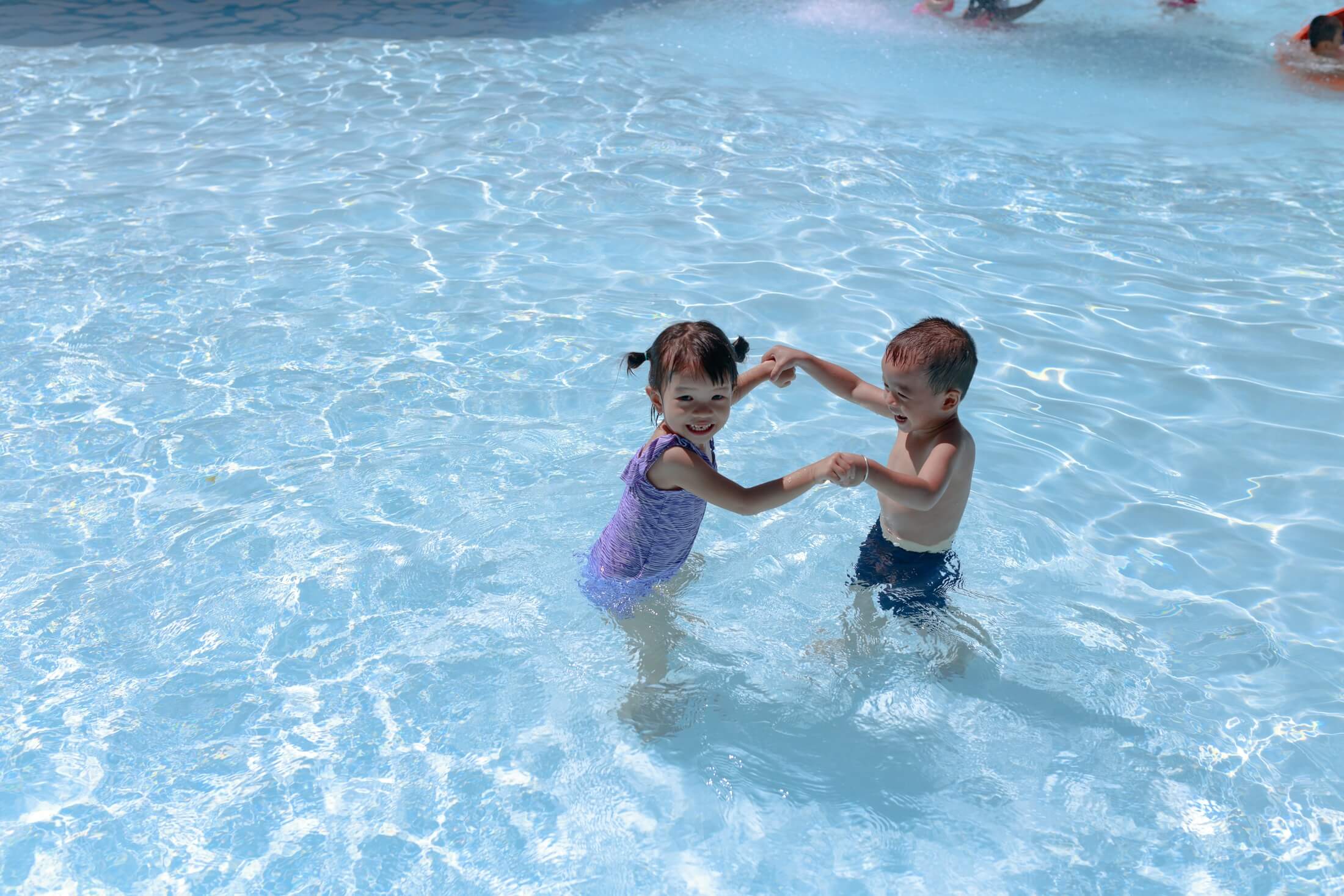
Families travelling with food allergies should plan carefully. Dashi, a stock commonly made with bonito or kelp, appears invisibly in many soups, sauces, and simmered dishes, while smaller restaurants may have limited English and fixed menus. Printed allergy translation cards are essential; hotel concierges can also help arrange suitable restaurants. Japan's healthcare system is excellent, but language barriers exist outside Naha, so registering with the hotel's preferred clinic on arrival and carrying a translation card of conditions and medications is a sensible precaution.
A brief note on timing: typhoon season runs June through November, peaking in August and September, and can ground flights or disrupt beach days for one to three days at a stretch, so families travelling then should build in flexibility; May, October, and January to March (humpback whale season) are excellent alternatives.