
The crowd has not gathered for a gig or a football match - they are here for a book club. Tickets disappeared within 12 hours. Across Britain, similar scenes are playing out; author talks selling out, literary festivals are expanding, and reading groups are multiplying. This enthusiasm seems promising for the youth of today, yet fewer people are reading books. Those who read are reading more; at the same time, the number of people who do not read rises.
Around 40% of Britons have not read a book in the past year, according to a YouGov report from last year. Among 18-24-year-olds, barely half have. By that measure, Britain ought to be in a bookshop recession. Instead, independent booksellers are enjoying an unexpected revival. The Booksellers Association reports that, after falling to a record low of 867 in 2016, the number of independent bookshops has climbed back above 1,000.
The increase is especially striking given how mega retailers like Amazon have already given up on physical bookselling. Having opened its first bookshop in 2015, it eventually rolled out some 60 stores in America and two in Britain. Seven years on, it had shut them all.
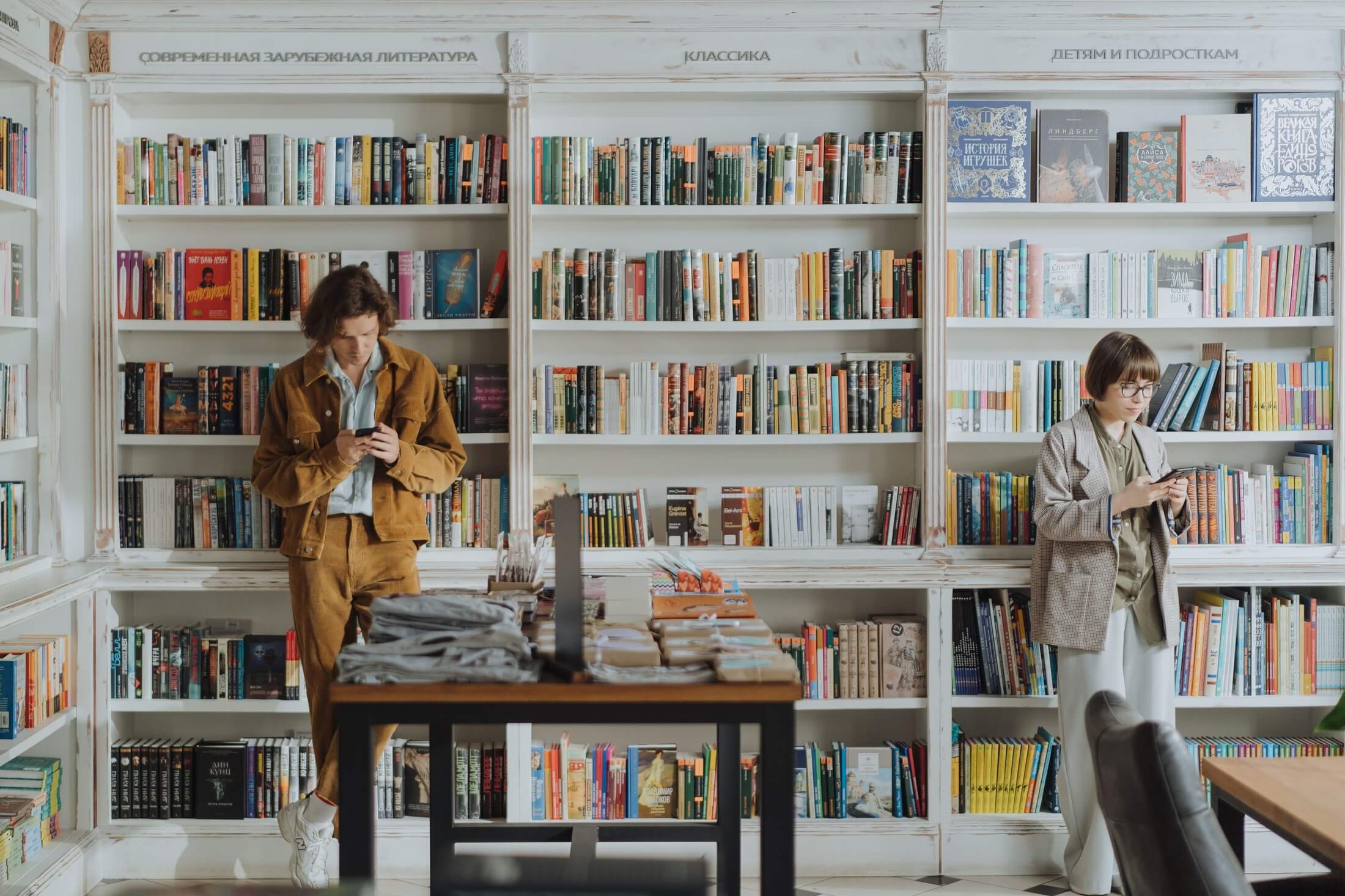
Yet the independents persist because they have discovered that selling books is no longer the sole purpose of a bookshop. Speaking to booksellers who opened stores in recent years, a common theme emerges: the modern bookshop functions as an unofficial cultural hub that happens to stock novels.
The decline of reading and the rise of the bookshop are not necessarily contradictory.
For younger consumers, books have become cultural objects as much as literary ones. The appeal lies partly in the surrounding ecosystem: book clubs, literary events, cafés, social media recommendations and aesthetically pleasing special editions. And participation in reading culture no longer requires spending an evening alone with a hardback.
Truman Books in Farsley, west Leeds, opened in 2020, and hosts author events, workshops and its own literary festival. It has become a place for "young people to hang out”, says its founder, Amanda Truman, after the pandemic left customers "hungry for the in-person experience, community and joy. " When the shop launched a book club, places sold out within hours. Elsewhere, bookshops are becoming informal co-working spaces and social venues. Bàrd Books, which opened last year in a former East London estate agent's office, hosts five separate book clubs, comedy nights and poetry events. Some customers come to work; others meet friends. Vicki Sherr, the shop's founder, describes the business as "the original, in-real-life Gogglebox"- a place where readers gather to exchange recommendations and opinions.
The phenomenon extends beyond bookshops themselves. In London, the Gen Z-led Soho Reading Series has built a following by turning reading into a social event. Its gatherings, often held in bars and cultural venues, combine literary discussion with the atmosphere of a night out.
Social media has amplified the trend. BookTok, TikTok's vast literary subculture, has become one of publishing's most effective marketing tools. According to the Publishers Association, two-thirds of 16-25 year-olds say it has helped them discover a passion for reading. Nielsen BookData estimates that Generation Z accounts for nearly a fifth of all book purchases. For some, the attraction is visual as much as literary. Books have become gamefied, with special editions with elaborately decorated page edges that have become coveted collectables.
Booksellers insist that the social side of reading eventually leads back to the books themselves. Perhaps. Yet their success points to a broader lesson about the modern high street. At a time when rising costs and online competition make it difficult for many independent retailers to survive, new bookshops continue to open. Their advantage is that they sell more than a product; they give you a reason to leave the house.